
Guide
Why Garage Door Springs Snap in Danville's Cold Snaps
Danville homes built between 1938 and 1973 still run original torsion springs. Here's why cold snaps break them and what to check before winter locks in.
The Problem
Danville's housing stock runs old. The typical house in the service area went up in 1957, and most of the neighborhoods here are pre-1960 construction spread across eleven separate areas of the city. That means a lot of garages still have the torsion spring that came with the house, or a direct swap from decades back, mounted on hardware nobody updated since.
Steel springs lose elasticity as they cycle through cold and heat year after year. A spring that's already fifteen, twenty, thirty years old doesn't have much give left when the temperature drops hard overnight. The coil tightens, the metal gets brittle at the fatigue point, and the next time the opener pulls on it - often on the first genuinely cold morning of the season - it lets go.
This isn't a defect in the door. It's what happens when 1950s-era hardware meets another Illinois winter. The door itself might be fine. The panels might be solid wood or heavy steel that's held up for decades. It's the spring, wound tight and metal-fatigued, that gives out first, usually with a bang loud enough to bring you into the garage to see what happened.
What Local Conditions Do
Danville sits in a cold, moderate climate band, and that band is what turns an aging spring into a call for us. Cold steel is less forgiving steel - the same coil that flexed fine in July gets stiffer and more prone to snapping in January. Every cycle up and down through freezing adds a little more fatigue to metal that's already been doing this job since the Eisenhower administration in a lot of these houses.
It's not just the spring. Concrete slabs in older Danville garages shift slightly with freeze and thaw, which can throw the track out of true alignment by a fraction of an inch - enough to make rollers bind and put extra load right back on that same tired spring. Openers built for a lighter, newer door sometimes strain against a heavier original panel that's slower to move in the cold, which shortens the life of both.
None of this is dramatic. It's slow wear that shows up as a sudden failure, because that's how metal fatigue works - fine, fine, fine, then gone. The houses built here between 1938 and 1973 are exactly the ones where this shows up most, since that's when the original hardware is most likely to still be in place.
Season by Season
Late fall through the coldest stretch of winter is when we see the most spring failures, for the reason above - repeated freeze cycles fatiguing metal that's already decades old in a lot of these Danville houses. If your door has felt heavier to lift by hand over the past month, that's usually the spring telling you it's close to done before it actually breaks.
Spring thaw brings a second, quieter wave of calls. As the slab settles back after winter, tracks that shifted slightly can bind rollers that survived the cold fine on their own. This tends to show up as a door that's noisy or a little off-square rather than a dead stop.
Summer and early fall are the calmer stretch for spring failures specifically, though it's also the easiest time to get ahead of a repair before the next cold snap fatigues things further. Given how much of the Danville housing stock dates to the 1938-1973 range, waiting until the door won't open at all usually means doing the job in the cold, which is the worst time to be working outside on it - for you and for us.
What to Look At First
Start with the spring itself. On a torsion setup, look for a visible gap in the coil - that's a broken spring, full stop, and the door shouldn't be opened by the opener until it's replaced. If the coil looks intact but the door feels noticeably heavier to lift by hand than it used to, that's a spring losing tension, not gone yet but getting there.
Next, check the rollers and track for anything that looks bent, rusted through, or knocked out of line - common on houses old enough to have settled a few times over the decades. A door that grinds or hesitates partway up is often a track issue riding along with a tired spring, not a separate problem.
One honest limit here: if the door is original to a 1950s or 1960s Danville house, swapping the spring alone sometimes isn't the fix. Openers and track from that era are usually near the end of their working life too, and putting a new spring on old everything-else just moves the next failure a few months down the road. Worth knowing before you spend money on the spring alone.
Questions
Common questions
Why did my spring break on the coldest morning of the year?
Cold steel is more brittle steel. A spring that's been fatiguing for years through Danville's freeze-thaw cycles finally reaches its breaking point, and that often happens right when the opener works hardest - first thing on a cold morning.
My house was built in the 1950s - is the spring original?
It's possible. A lot of Danville's housing stock dates to that era, and if the spring has never been replaced, it's been through seventy winters of cycling. Even a well-made spring has a fatigue life, and that's well past it.
Does the age of my garage's concrete slab matter?
It can. Slabs in older homes shift slightly with freeze and thaw, which can nudge the track out of alignment. That extra resistance puts more load on the spring and rollers, so an alignment check is worth doing alongside a spring inspection.
Is it worth just replacing the spring on an old door?
Sometimes. If the track, rollers, and opener are in decent shape, a new spring can carry the door for years. If everything else is original to a 1950s or 1960s install too, replacing just the spring often means another repair call soon after.
Recommendation
You Might Also Like
More garage door guides for Danville homeowners.
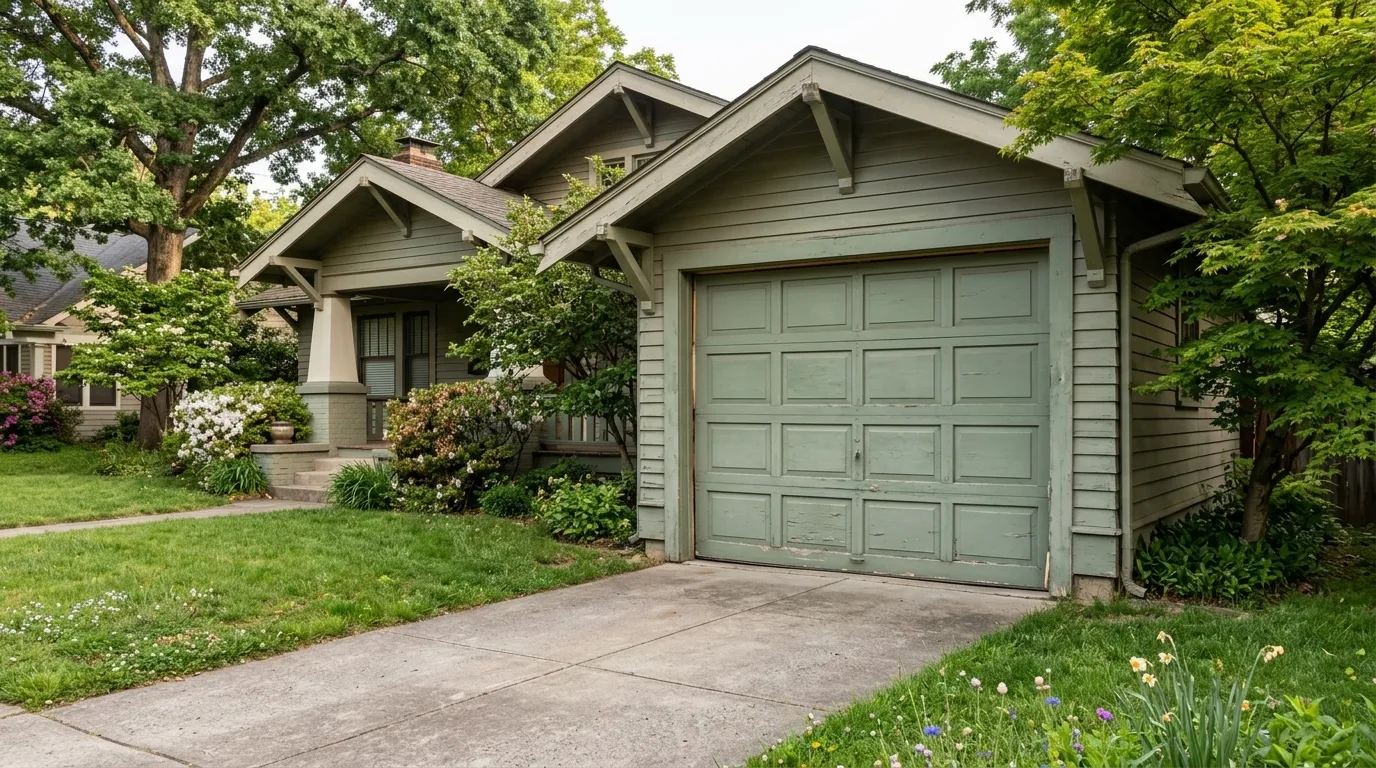
Why Danville's Older Housing Stock Fights You Every Winter
Danville homes built 1938-1973 have doors and hardware that weren't made for cold-band winters.
Read guide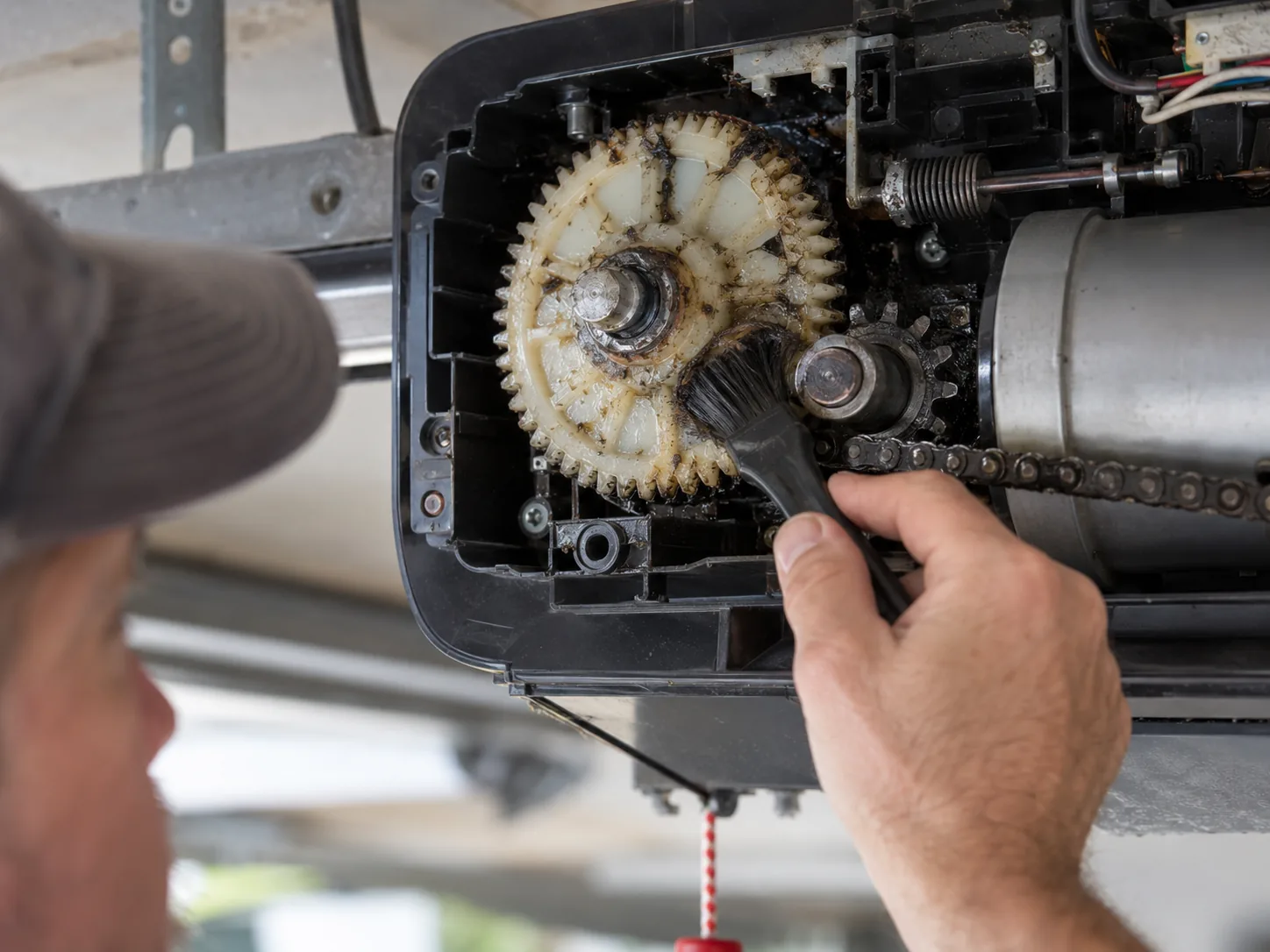
Why Openers and Power Cuts Are a Bigger Problem in Older Danville Homes
Openers and power cuts hit Danville homes built 1938-1973 hard, especially with cold winters.
Read guide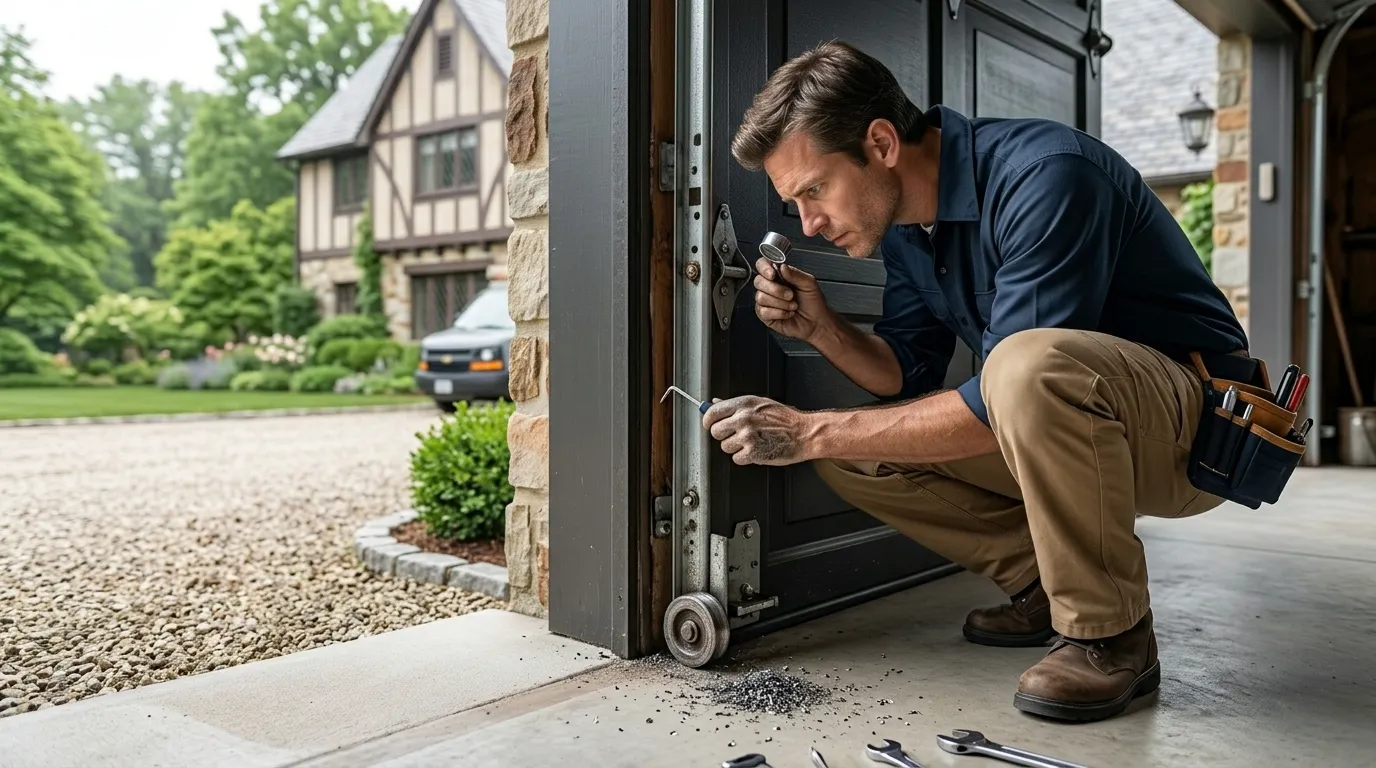
The Noises That Mean Something - And the Ones That Don't
Most Danville, IL houses went up between 1938 and 1973.
Read guideReady when you are
Need a garage door sorted in Danville?
Danville Garage Door Pros repairs and installs garage doors, springs and openers in Danville, IL and the surrounding area.