
Incorrect Spring Sizing
A spring should be matched to the actual weight and configuration of the current door rather than assumed from the age of the house.
Local garage door service · Danville, IL
Garage door repair and installation for Danville homes built mostly between 1938 and 1973, covering cable repair, opener installation, opener repair, roller replacement, spring repair, and the older residential systems common across the area's pre-1960 housing stock.
Garage door services
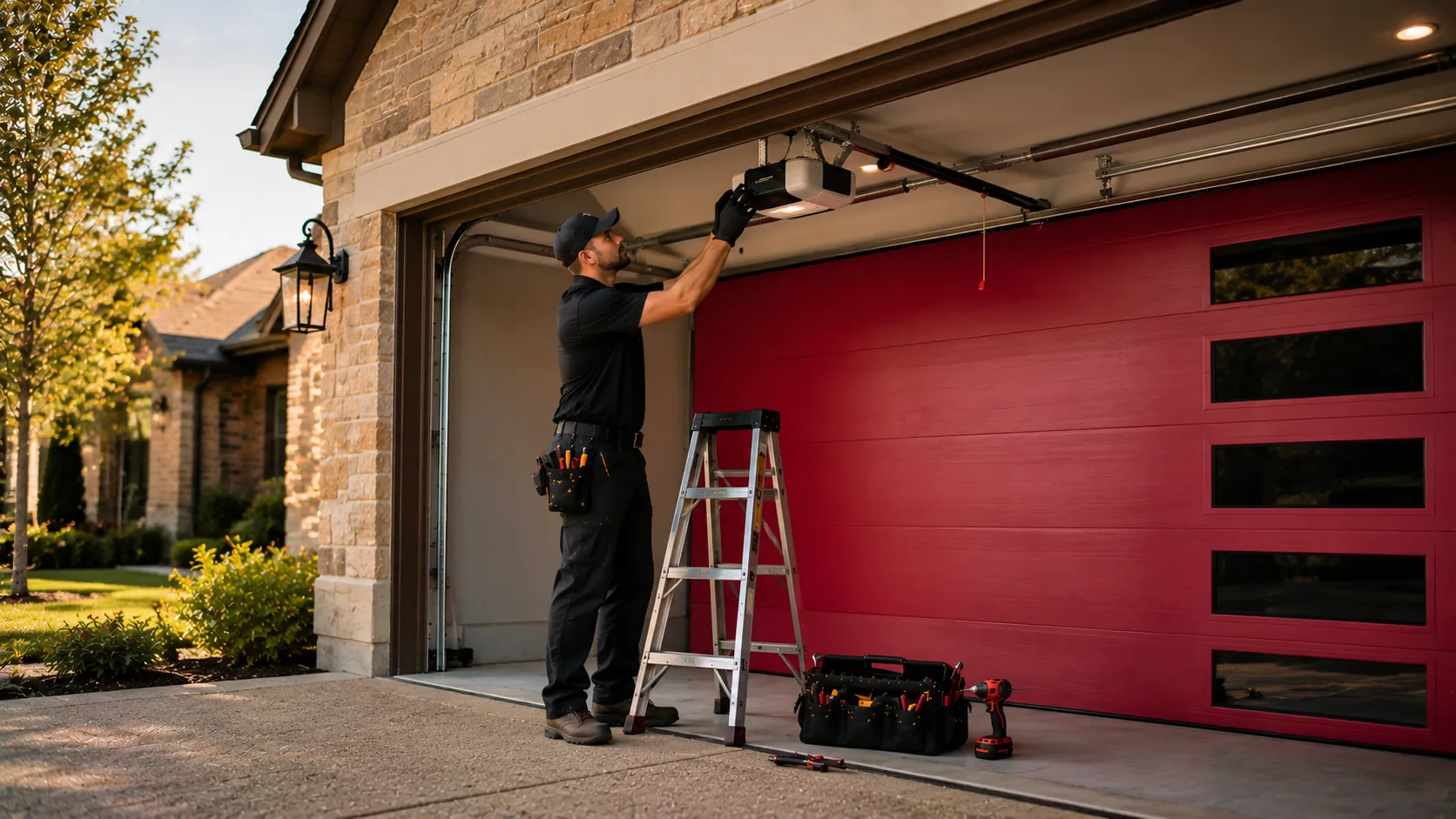
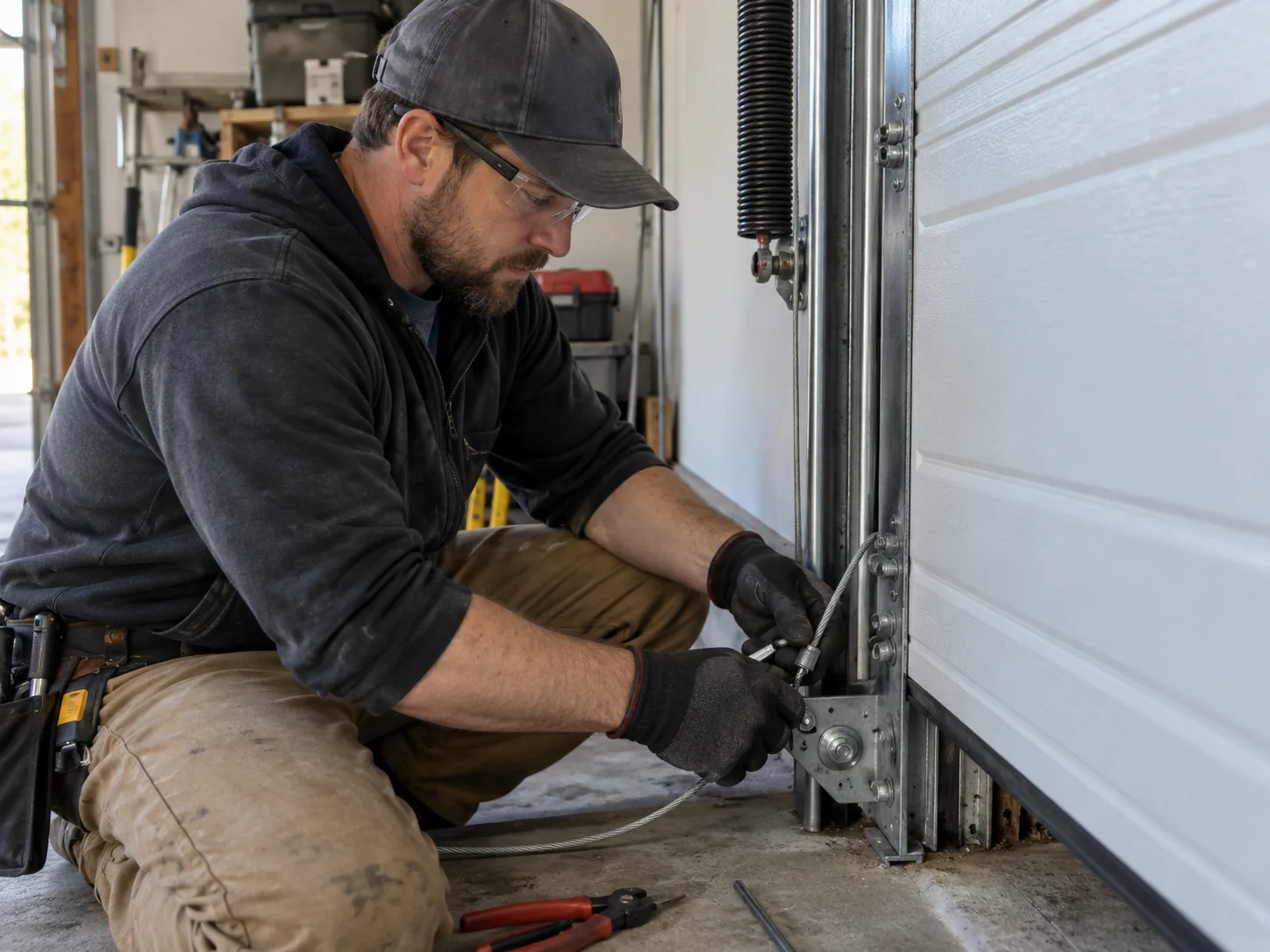
From cable repair and installation to opener work, roller replacement, spring repair, and general garage door service, the lineup is built around the older and mixed-generation systems common across Danville's housing stock.
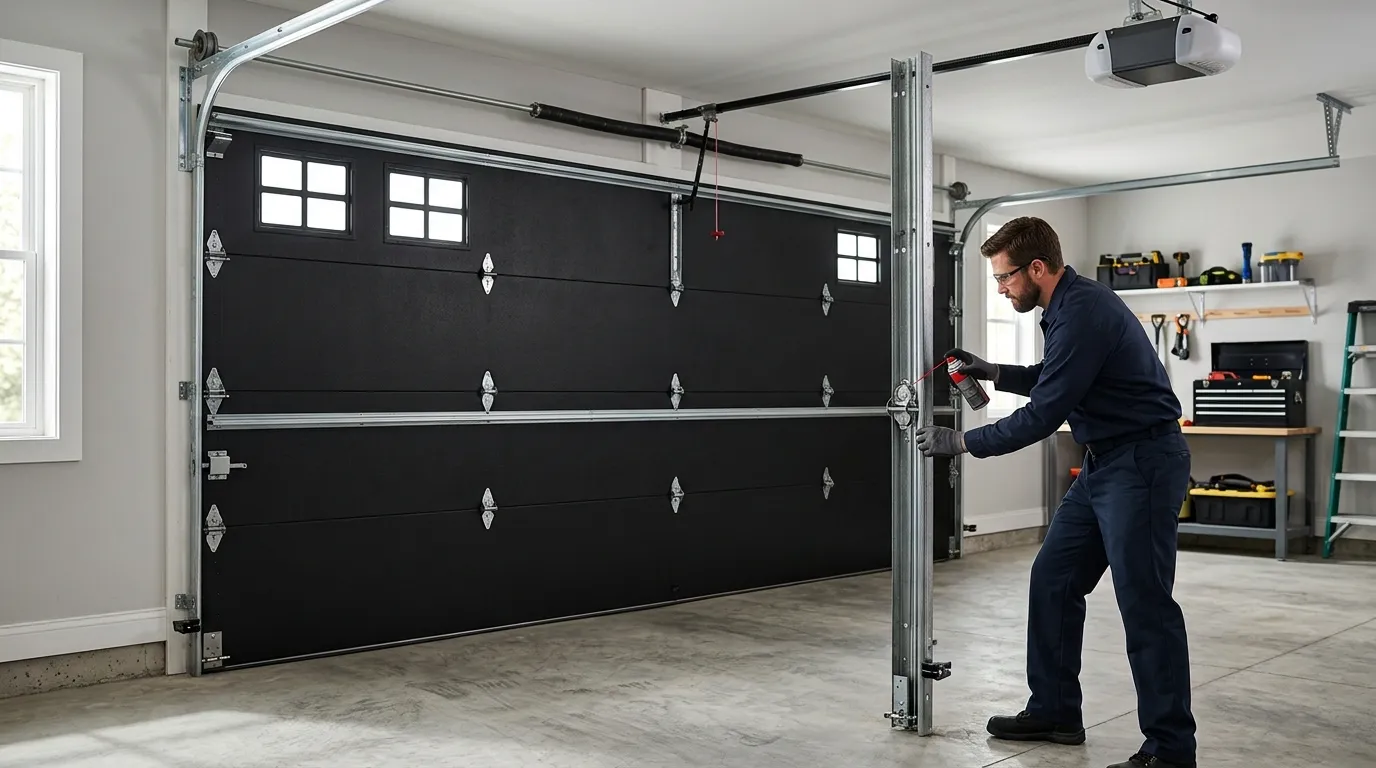
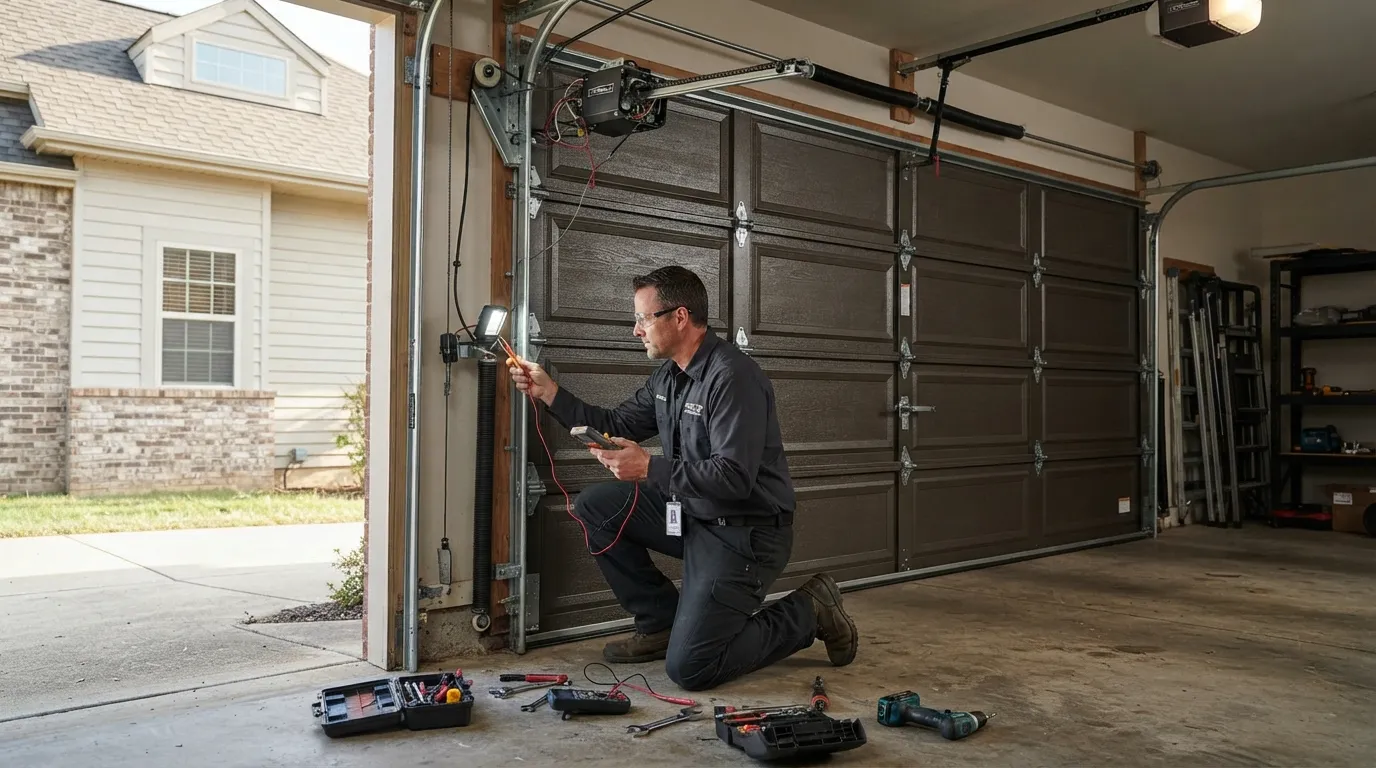
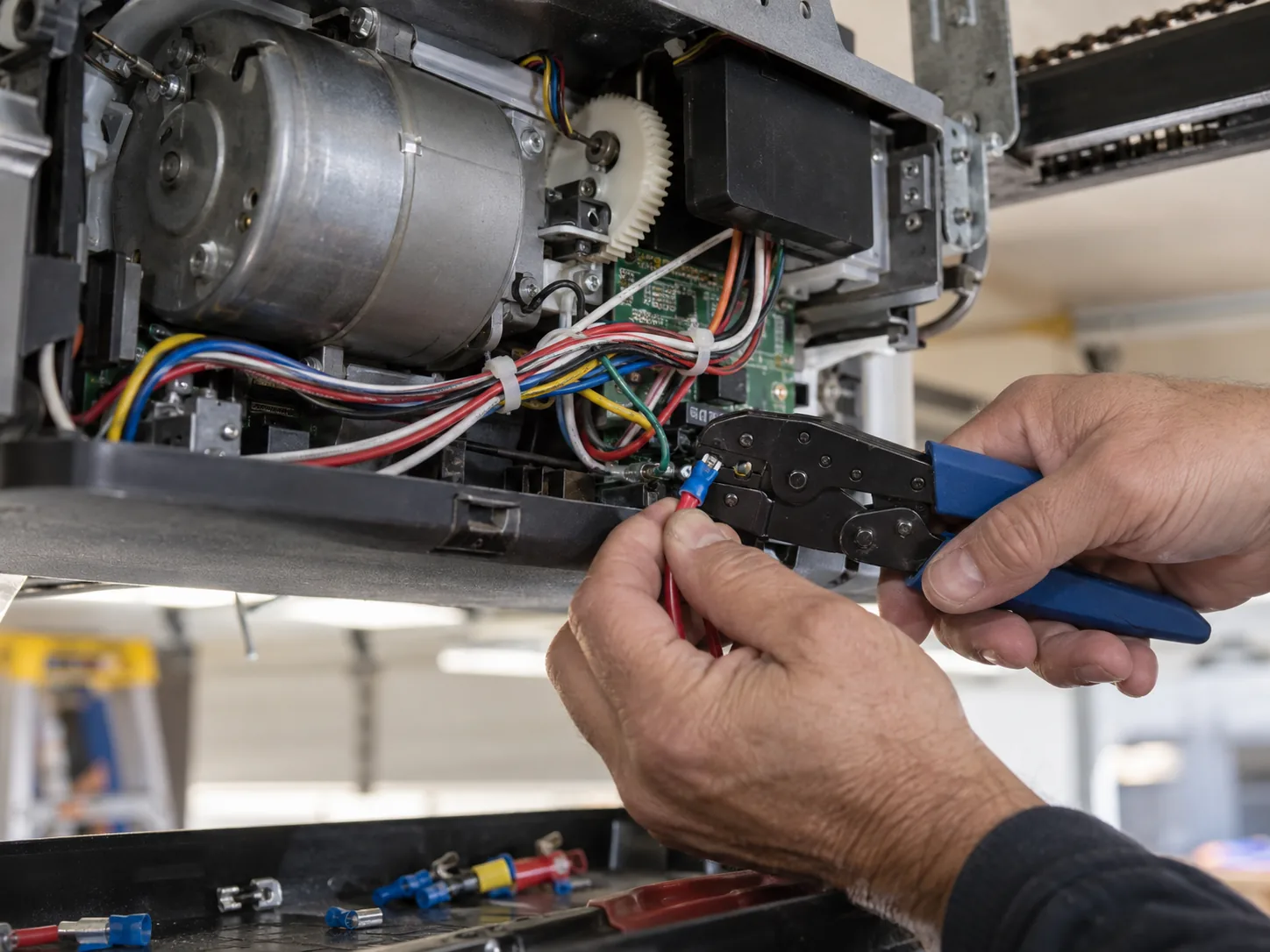
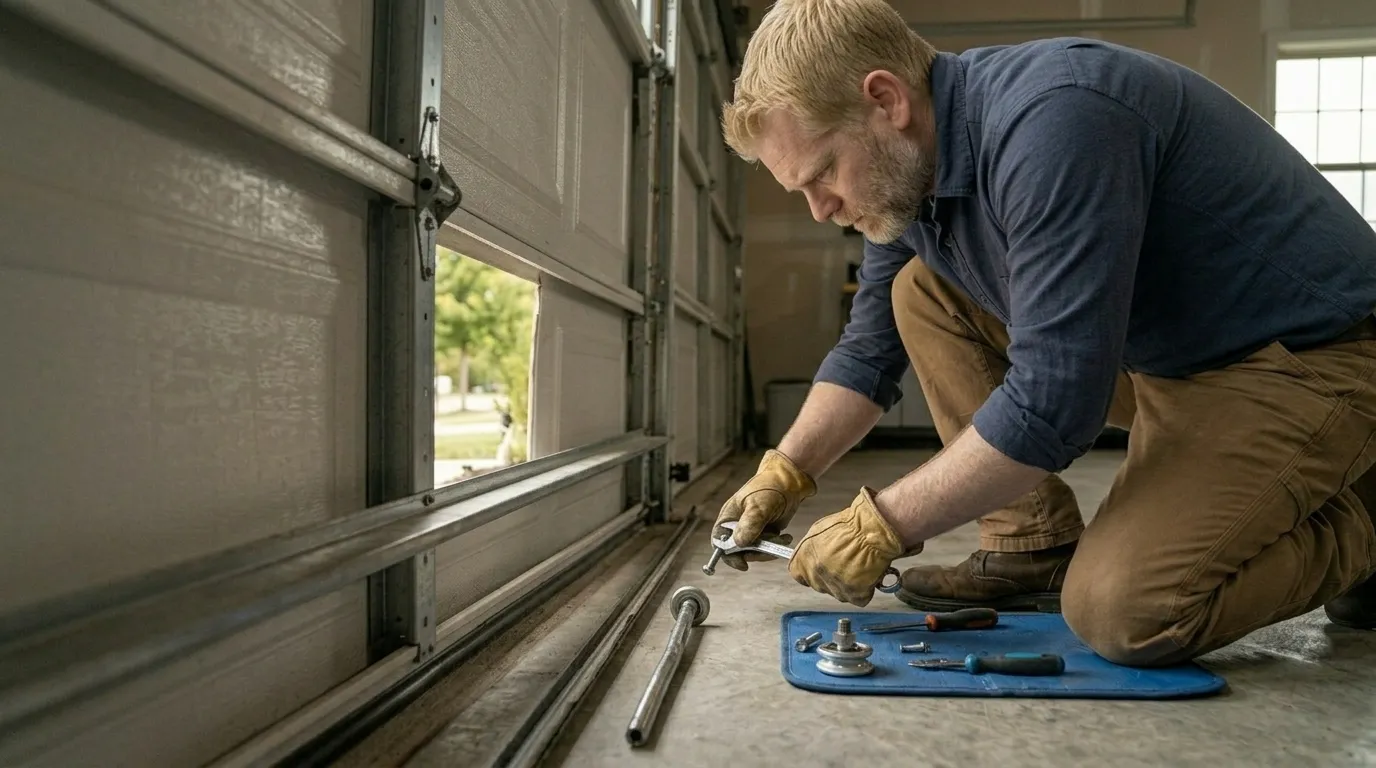
Common Danville garage door problems
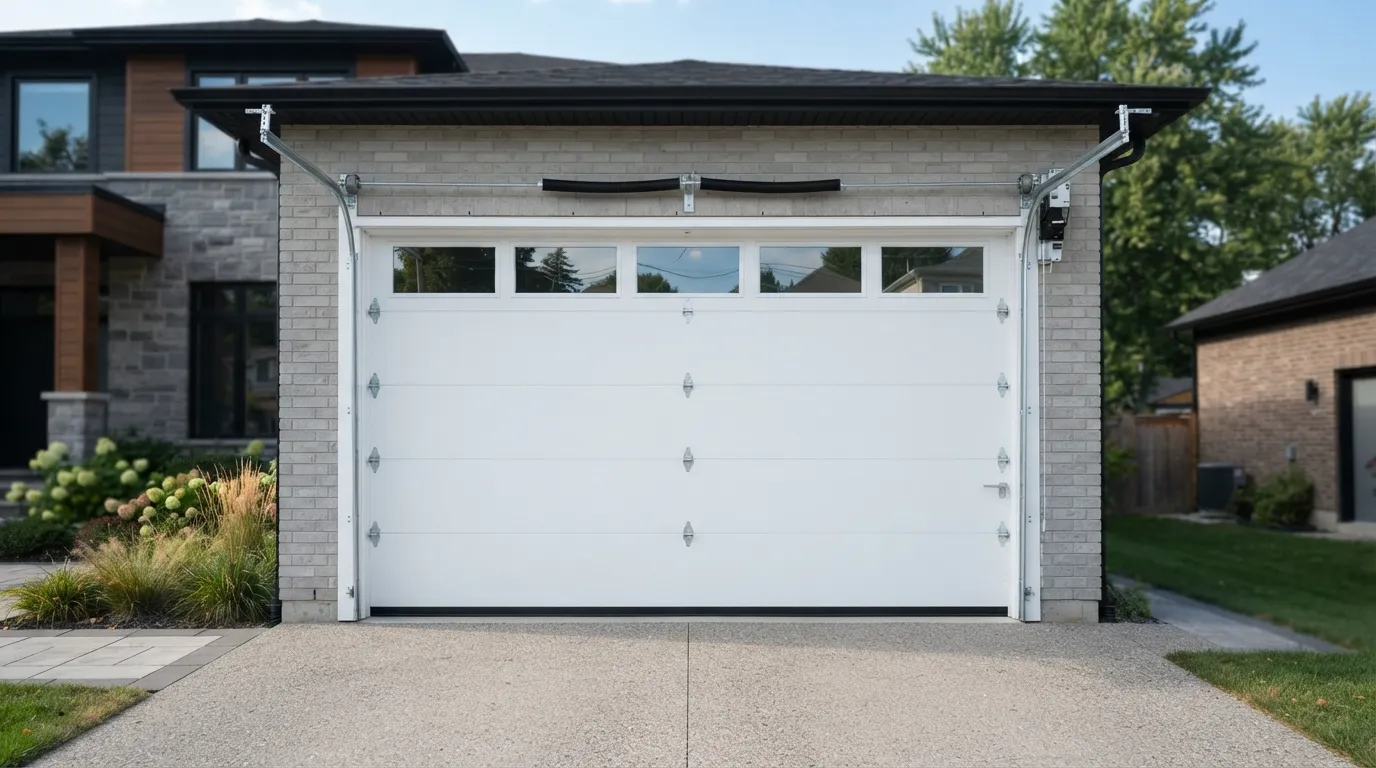
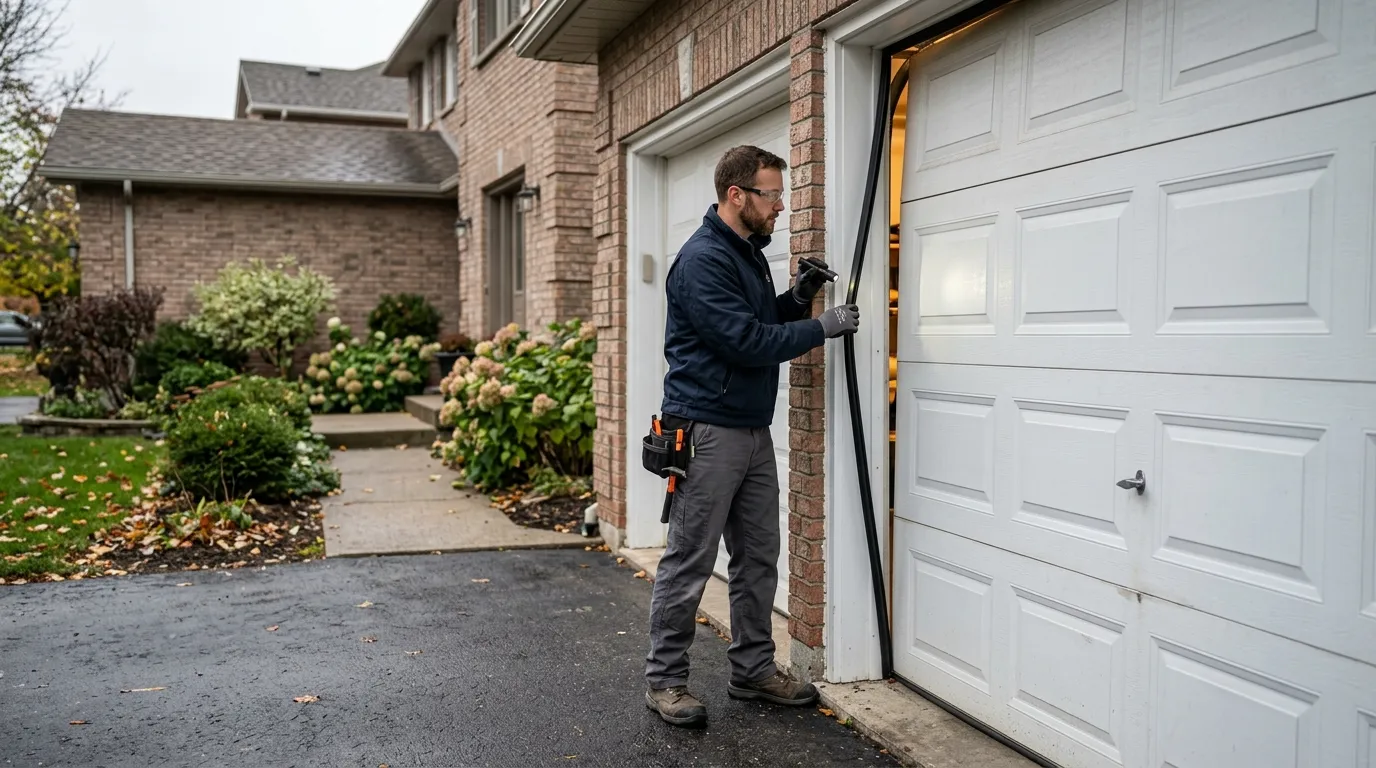
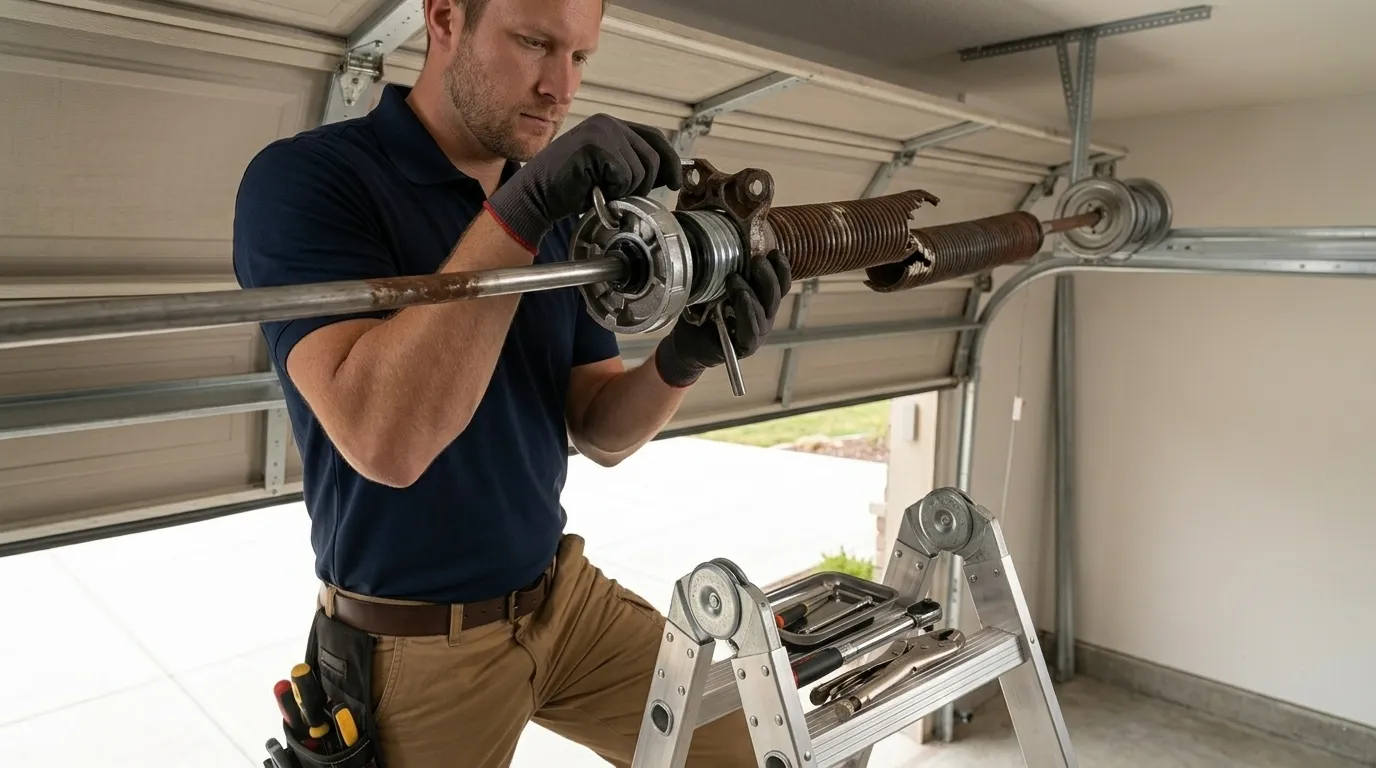
Incorrectly matched springs, worn rollers, aging openers, older tracks, cable wear, and mixed-generation hardware make up much of the work across Danville's older housing stock. Many local garages retain original openings, track spacing, framing, or older torsion conversions even when the door itself has been replaced — leaving springs mismatched to the current door weight, rollers that were never upgraded, and openers mounted to framing much older than the opener itself. Older systems also combine tracks, wiring, springs, cables, and controls from different decades after years of piecemeal repairs, so the correct repair depends on inspecting the complete system rather than assuming one visible failure tells the whole story.
A spring should be matched to the actual weight and configuration of the current door rather than assumed from the age of the house.
Older steel or worn replacement rollers can become noisy, rough, damaged, or resistant after years of regular travel.
Older opener motors, controls, gears, wiring, and drive systems can eventually develop operating problems.
Original track spacing, headers, jambs, and mounting points can affect how newer hardware fits and operates.
Cables can fray, loosen, slip, or fail after years of carrying repeated lifting loads.
Local housing matters
The broader source service area is dominated by homes built between 1938 and 1973, with a median build year around 1957 and much of the housing described as pre-1960 stock.
That creates a large number of garages with older openings, framing, track spacing, torsion conversions, replacement openers, rollers, cables, and wiring from several different generations.
The source references roughly 7,300 households across the broader area, including about 4,800 owner-occupied houses.
Modern insulated or wider replacement doors can also weigh more or require different mounting than the original garage opening was designed around.
The house's build year provides useful context, but the actual installed door and surrounding structure still need to be inspected directly.
Pre-1960 garage door systems
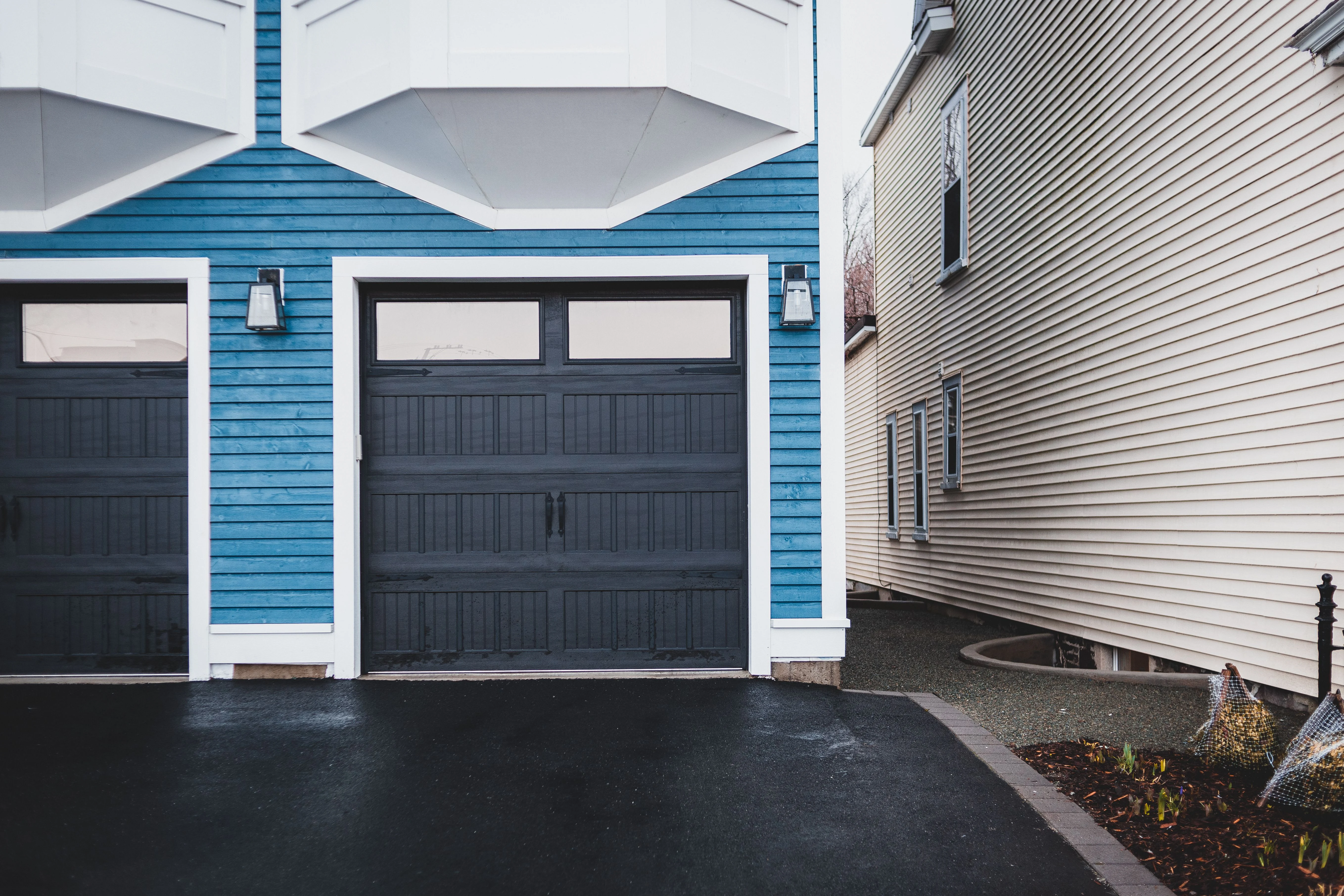
Older homes can combine original framing and track spacing with newer doors, torsion conversions, replacement openers, and decades of repair work.
The original framing and opening dimensions can differ from what a modern replacement door or track system expects.
Some older garages use torsion setups added long after the house was built, so spring and mounting details should be checked directly.
Tracks, springs, rollers, cables, openers, wiring, and framing may all come from different decades.
A modern insulated door can place different loads on older framing and hardware than the lighter door originally installed.
What to expect
We inspect the actual door before quoting, look beyond the first failure on older garages, explain parts availability up front, and test the repaired system through full operating cycles rather than a single open-and-close.
We look directly at the springs, panels, tracks, framing, opener, wiring, and surrounding hardware before quoting the repair.
On older garages, the first inspection can reveal a second issue such as track damage, mismatched hardware, or aging mounting points.
Common springs and rollers may be available immediately, while unusual or discontinued components can require an order-and-return visit.
We test the repaired system through full operating cycles because binding may not appear on a single open-and-close test.
Older Framing or Wiring Can Change the Job
If repair requires access to outdated framing or wiring, we explain that condition before proceeding rather than treating it as a standard parts-only repair.
Built around older Danville garages
Two houses built in the same decade can still have completely different garage door systems depending on past replacements, conversions, wiring changes, and framing modifications.
Spring dimensions, door weight, roller type, track spacing, opener mounting, and wiring should be checked directly.
Previous owners may have changed one component while leaving much older surrounding hardware in place.
A heavier modern door may require confirmation that the existing framing and mounting points can support it safely.
If the existing door and structure remain sound, an isolated repair can still be the more practical option.
Clear repair guidance
There isn't one flat repair price, because spring work, opener repair, roller replacement, installation, framing work, and wiring-related issues can involve very different parts and labor.
Door age, spring configuration, track condition, framing, opener generation, wiring, door weight, and parts availability can all change the scope.
Median household income across the broader service area runs a little under $57,000, but the price still comes from the door in front of us.
We explain both repair and replacement paths when both are reasonable rather than defaulting to the larger job.
On older systems, the surrounding structure matters just as much as the failed component when deciding whether a repair will hold.
Repair or replace?
An older garage door is not automatically a replacement candidate. Repair remains practical when the door, framing, and surrounding hardware are sound, while replacement becomes more sensible when repairs are stacking up or a heavier modern system would require broader structural work.
A targeted repair can make sense when the door, tracks, framing, opener, and surrounding hardware remain serviceable.
An older door can remain worth keeping when the panels and surrounding structure continue to operate reliably.
Replacement becomes more practical when several major components are deteriorating and repair costs continue to accumulate.
A new heavier door may require framing reinforcement if the original garage opening was not designed for the added load.
Consistent from diagnosis to repair
We keep continuity between diagnosis, repair, and follow-up, which matters on older garages where small details about existing hardware and framing affect the correct fix.
The same people handle the diagnosis and repair instead of handing the job between multiple crews.
Track spacing, framing, wiring, previous conversions, and other older-system details can affect how the repair should be completed.
Follow-up stays tied to the people familiar with the original diagnosis and completed work.

Service areas
Questions
On a lot of houses in this area, built between 1938 and 1973, the spring failure is often tied to hardware that's already outdated for the door's current weight. We check the track, rollers, and mounting before we call a job done with just a spring swap.
Yes. We cover Danville and the surrounding towns, including Tilton, Westville, Catlin, Bismarck, Oakwood, Georgetown, Fithian, Potomac, Rossville, Ridge Farm, and Sidell.
Usually, yes, since most failures on doors this age are common springs and rollers we carry on the truck. If your door has an unusual or discontinued part, we'll tell you at the visit and order what's needed rather than guess.
Sometimes. If the frame is original to a 1950s or 60s build and can't safely carry a heavier modern door, or if the repairs keep stacking up, replacement can make more sense. We'll walk through both options rather than default to one.
Ready when you are
Tell us what the door is doing and we'll help you figure out whether you're dealing with a cable, spring, roller, opener, installation issue, or an older garage where the surrounding tracks, framing, or wiring also need attention.