
Guide
What We Actually Do on a Service Call in Danville
A look at what our techs actually check on a Danville service call, tied to the age of the housing stock here and the cold-climate swings this area gets.
The Problem
Most calls start the same way: a door that's slow, loud, or stuck halfway. What's underneath that varies a lot depending on when the house was built, and around Danville that matters more than most places. Housing here runs mostly 1938 to 1973, with a median build year of 1957, and that's true across the eleven areas we cover, not just one pocket of town. A door installed on a house from that era was never built to the tolerances or hardware standards used today. The track brackets are often lag-bolted into jambs that have shifted over sixty-plus years, the springs may have been swapped once or twice without anyone touching the drum or cable that came with the original setup, and the opener - if there is one - is bolted onto framing that predates the opener itself. So a service call here isn't just "look at the door." It's figuring out which parts are original 1950s stock, which are 1990s replacements, and which are patched together from whatever the last guy had in the truck.
That mismatch is the actual problem more often than any single broken part. We're not diagnosing a defect - we're untangling decades of partial fixes on a structure that's older than most of the parts on it.
What Local Conditions Do
This area sits in a cold-moderate climate band, not the deep-freeze conditions of the upper Midwest, but enough temperature swing through the year to work on steel, rubber, and lubricant. Cold snaps stiffen torsion springs and thicken old grease, which is why a door that worked fine in October suddenly feels heavy in January - it's not broken, the spring is just fighting cold-hardened lubricant and a slightly contracted track. On the older housing stock common here, the wood jambs the track is fastened to also move a little with seasonal humidity and freeze-thaw cycles, and after sixty-plus years that movement adds up in loosened lag screws and tracks that are a few degrees out of plumb.
We check for that specifically: a track that's racked slightly, a bottom bracket that's walked because the jamb behind it isn't as solid as it was in 1957. On a newer door this wouldn't show up yet. On the stock we see across Danville and the surrounding towns, it usually has.
Season by Season
Cold-moderate climate means the door's behavior actually changes across the year, and a real service call accounts for that instead of treating the door as a static object. Coming out of winter, the check is on spring tension and roller wear - cold makes springs feel weaker than they are, and once temperatures come back up a spring that was actually fine in January can suddenly feel loose in April, which is a tension issue, not a broken part. Through the warmer months, humidity is the concern on older jambs and headers, since wood swells and can bind a track that ran clean all winter. Heading back into fall, we're rechecking lubrication before the cold sets back in, because grease that's fine at 70 degrees can gum up and slow a door at 20.
None of this is dramatic weather - no named storm events, nothing extreme - but the ordinary swing through a cold-moderate year is enough to shift tension, tighten or loosen hardware, and change how a decades-old door behaves month to month. That's the actual rhythm behind why the same door can feel fine in June and rough in January without anything having failed.
What to Look At First
On a house from the 1938-1973 range, we start in the same three spots every time. First, the bottom brackets and jamb attachment - on wood-frame construction that old, this is where movement shows up first, and it's cheap to fix before it isn't. Second, the spring and cable, checked against what the door and header can actually support rather than assumed original - because on stock this age, at least one prior repair using non-matching parts is common. Third, opener mounting, if there is one, since these units are often retrofitted onto framing built for a manual door and the bracket load isn't always right.
What we don't do on a first visit is replace parts that aren't causing the actual symptom - a spring that's original but still within spec doesn't need to come out because it's old. Replacement makes sense when the drum, cable, and spring are mismatched generations of hardware fighting each other, which we see often enough in this area to check for it every time, not occasionally.
Questions
Common questions
Why does my garage door feel harder to lift in winter than summer?
Cold stiffens torsion springs and thickens old grease, so the same door can feel noticeably heavier once temperatures drop. In this cold-moderate climate that swing is real but not extreme - it's usually a tension and lubrication issue, not a sign the spring is failing, though we do check both when we're out.
Is my door's hardware likely original if my house was built in the 1950s or 60s?
Some of it may be. Housing in this area runs mostly 1938 to 1973, and it's common to find an original track or bracket paired with a replaced spring or opener from a later decade. Part of a service call is figuring out which pieces are which before recommending any repair.
Do you work outside Danville itself?
We cover the surrounding area including Tilton, Westville, Catlin, Bismarck, Oakwood, Georgetown, Fithian, Potomac, Rossville, Ridge Farm, and Sidell.
Will you replace parts that aren't actually broken?
No. If a spring or bracket is original but still within spec, we leave it. We only recommend replacement when parts are mismatched or genuinely worn, which we check for directly rather than assuming based on age alone.
Recommendation
You Might Also Like
More garage door guides for Danville homeowners.
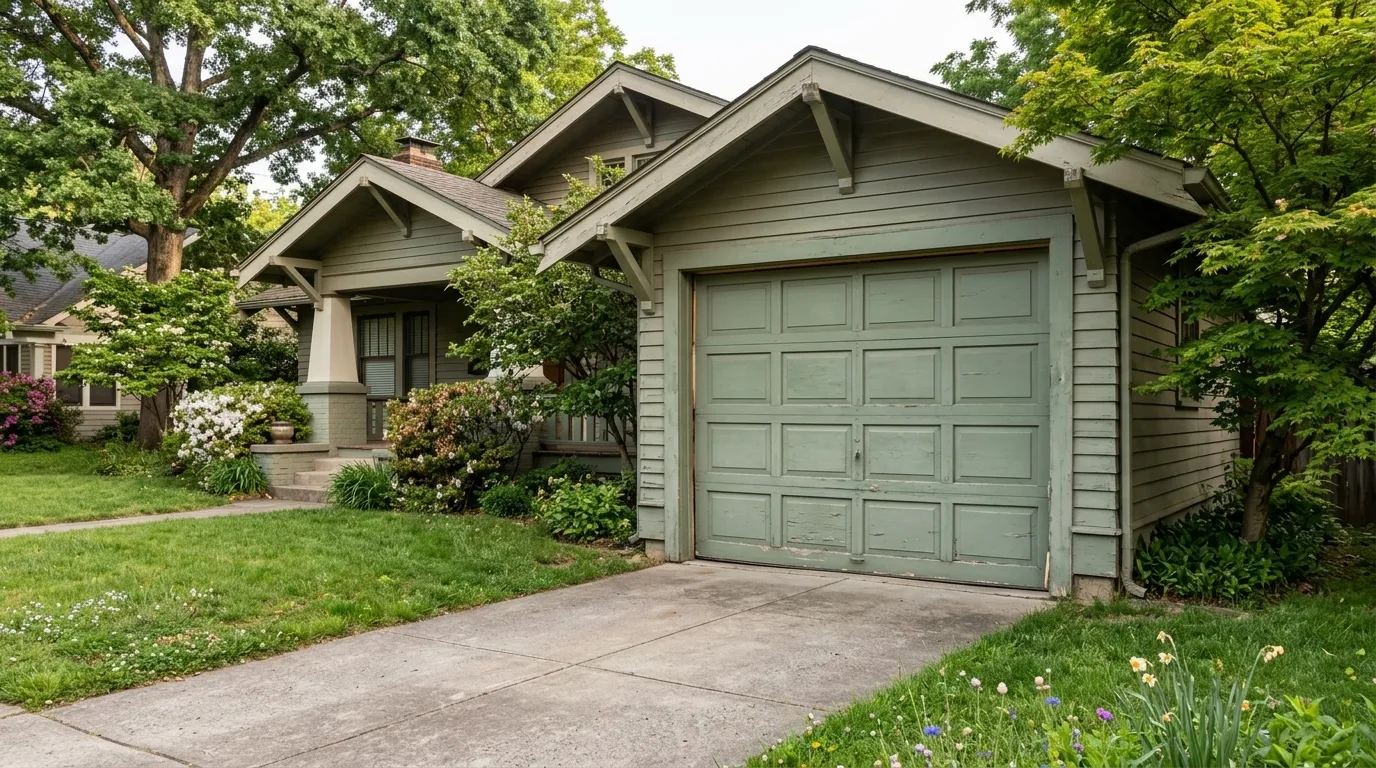
Why Danville's Older Housing Stock Fights You Every Winter
Danville homes built 1938-1973 have doors and hardware that weren't made for cold-band winters.
Read guide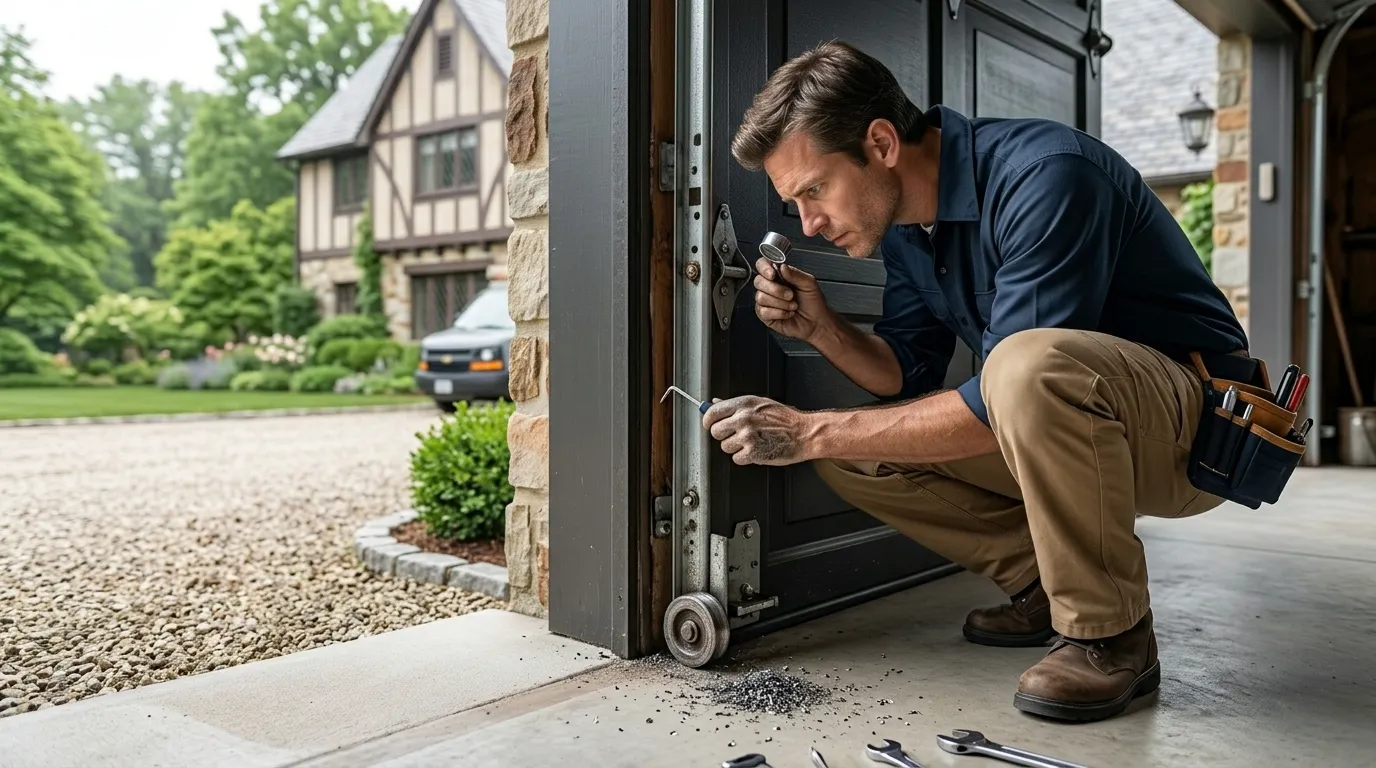
The Noises That Mean Something - And the Ones That Don't
Most Danville, IL houses went up between 1938 and 1973.
Read guide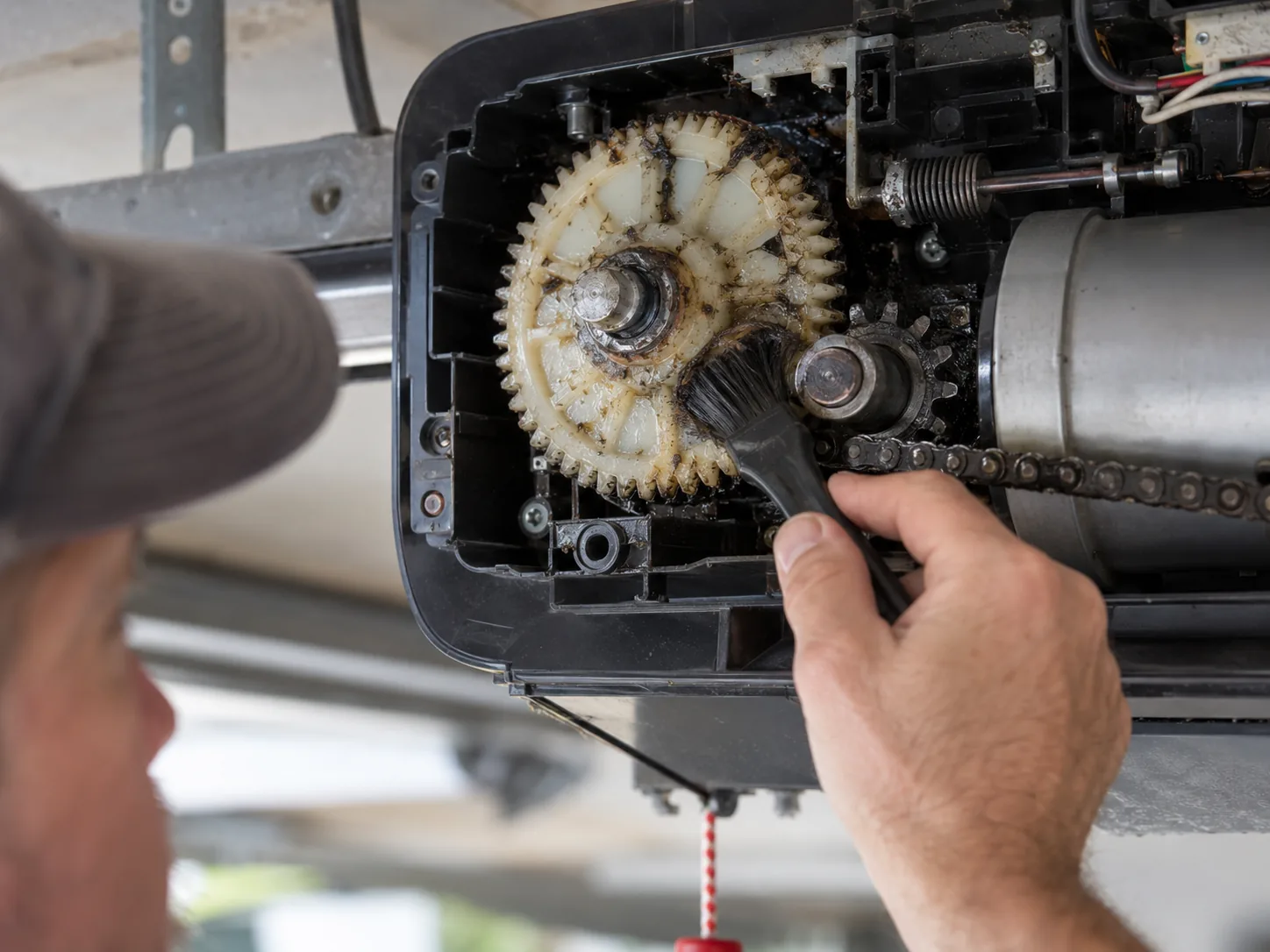
Why Openers and Power Cuts Are a Bigger Problem in Older Danville Homes
Openers and power cuts hit Danville homes built 1938-1973 hard, especially with cold winters.
Read guideReady when you are
Need a garage door sorted in Danville?
Danville Garage Door Pros repairs and installs garage doors, springs and openers in Danville, IL and the surrounding area.